
"G1 G2 G3 G4 G5"
300 article(s) found

Introduction to the method of regional treatment for the determination of coffee bean flavor in Ethiopia Yega Xuefei G2 washing cup
Ethiopia Yega Xuefei G2 washing cup coffee bean flavor description production area treatment method introduces that Ethiopia has coffee in different climatic zones, so it has more than 140 farm varieties, and fresh coffee is produced all the year round. The quality of Ethiopian coffee varies according to different elevations and regional ecological environment. Harald Coffee in the Southeast Heights is a typical mu

How is the Sidamo honey coffee bean market? which brand of Sidamo coffee is better?
For the exchange of professional baristas, please pay attention to the honeyed words made by the hands of the coffee workshop (Wechat official account cafe_style). 15g powder, medium fineness grinding (small Fuji ghost tooth cutter 3.5grinding), v60 filter cup, 9193 degrees water temperature, 30g water injection for the first time, steaming for 27 seconds, water injection to 105g water cut off, wait for the water volume of powder bed to be reduced to half and then water injection, slow water injection until 225g water, do not use water at the end.
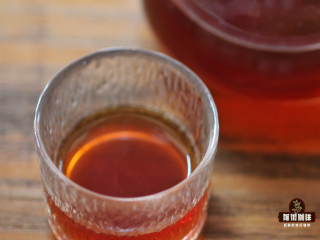
Yega Chuefei Coffee Variety Classification description Flavor taste Grinding scale production area how to drink?
Yejia Xuefei coffee beans are mainly small beans, so they are suitable for medium and shallow baking. After all, they are native species, and they cannot be as uniform as beans exported in size from Central and South America. Yejia's grading is based on physical defects and cup test quality. So in fact, the size of native beans is not the same, but now

Introduction to the method of describing the Flavor of Coffee Bean varieties in Ethiopia
Ethiopian Coffee introduces Sidamo's classification standard is according to the defect rate, the less the number of defective beans in the same weight standard, the better the quality, the higher the grade! Generally divided into two and three levels (G2, G3), water-washed Sidamo because the treatment process is more perfect than the sun, so most of the G2 level exports are more. On the other hand, most of the sun-processed coffee is grade three or four or five.

Brief introduction of Ethiopian Jimamoca Coffee Bean Flavor Baking and brewing method in the producing area of Moka Coffee Bean
Professional coffee knowledge exchange more coffee bean information please follow the coffee workshop (Wechat official account cafe_style) Product name: Gima Mocha Coffee Mocha Djimmah G5 country: Ethiopia Ethiopia production area: Djimmah Grade: G5 treatment: sun varieties: Arabica just came to a cafe, if you don't know what to drink, have more mocha coffee

How to drink coffee beans washed in Ethiopian tea Liku water _ introduction to Ethiopian coffee producing areas
Professional coffee knowledge exchange more coffee bean information please follow the coffee workshop (Wechat official account cafe_style) Ethiopian coffee Ethiopia Ethiopia is the birthplace of coffee, legend has it that an unknown shepherd Kadi Kaldia found this best-selling mysterious red fruit: coffee, while herding sheep in the forests of western Ethiopia.

A brief introduction to the description of the flavor and aroma characteristics of coffee beans with wild taste.
The highest grades of Sidamo (Yirgacheffe, Sidamo) are Grade 2 and Grade 3 (G2 and G3), and most of the sun-processed coffees in eastern Ethiopia are Grade 4 or Grade 5 (G4 and G5). In many cases, level 4 coffee is marked as level 5 in order to reduce taxes. At present, the grading is not uniform and messy, because there are primary and secondary sun processing (Grand G).

Geographical characteristics of Sidamo producing area in Ethiopia; description of coffee flavor in manor; introduction to planting environment
Ethiopian coffee beans 1. When picking beans, only fully ripe crimson coffee cherries are picked. Before exposure, the beans will be screened for defects in the processing plant to make the beans look more average in size and maturity. two。 Next, use tall wooden frames or whole scaffolding for the sun to avoid the risk of beans smelling on the ground. In the process of exposure,
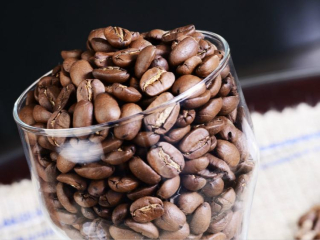
Introduction of flavor washing and solarization in Ethiopia Yega Xuefei Coffee Bean hand flushing area
Yega Xuefei, which is synonymous with Ethiopian boutique coffee, believes that even a person who does not drink coffee very often will never be able to refuse its charm. This is also the reason why there must be no shortage of hand-made coffee lists in major boutique cafes. Its taste is light, fresh and bright, and light roasting makes it lemon-scented flowers.

Taste characteristics of Ethiopian Coffee Manor Flavor description and introduction of varieties producing areas
Ethiopian coffee beans grow in close to the natural environment, after years of planting under the same growth conditions, Ethiopian coffee beans have gradually adapted to the environment here. More than 60% of coffee beans are grown in forests or semi-forests. Large-scale coffee-growing villages account for about 35% of the country's total coffee production. Many of these are used.

The Origin of Coffee in the World an introduction to the coffee bean producing areas in Ethiopia
Ethiopia is the hometown of Arabica coffee, and it is in the forests of Kaffa that you can see wild Arabica coffee. In Ethiopian, coffee is called Bun or Buna, and coffee beans (coffeebean) may be translated from Kaffa Bun. Arabica coffee was discovered early in the Harar area and is likely to come.

Unique treatment method of grinding degree and baking degree of boutique coffee beans in Ethiopian coffee farm
The highest grades of Sidamo (Yirgacheffe, Sidamo) are Grade 2 and Grade 3 (G2 and G3), and most of the sun-processed coffees in eastern Ethiopia are Grade 4 or Grade 5 (G4 and G5). In many cases, level 4 coffee is marked as level 5 in order to reduce taxes. At present, the grading is not uniform and messy, because there are primary and secondary sun processing (Grand G).

Introduction to the treatment methods of roasting degree and grinding degree of Ethiopian coffee flavor description varieties
Coffee is Ethiopia's most important export cash crop and the main source of Ethiopia's foreign exchange earnings. Ethiopia's coffee exports account for about 3% of the world market, making it the eighth largest coffee exporter in the world. Coffee exports increased steadily from 58000 tons in 1990 to 110000 tons in 1995-1996 and remained at this level in the following years. 2001-2002

Description of taste and flavor in coffee farm area of Ethiopia grinding scale varieties
Readers interested in the grinding scale varieties of Ethiopian boutique beans can pay more attention to the producing areas of Sidamo, Yegashefi (especially rare sun-dried beans), Harald, Lim and Jinbi, whose rich orange and floral aromas are different from those of Central and South American beans. Ethiopia is a treasure trove of coffee genes, and experts estimate that it is hidden in the territory.

Introduction to the grade of Ethiopian coffee beans
The coffee producing areas of Ethiopia are Sidamo, Harald and Sidamo, Harrar and Yirgacheffe. Sidamo and Harrar are provinces and divisions. Sidamo is located in the south of Ethiopia bordering Kenya, and Harrar borders Somalia in the east of Ethiopia. Although Yirgacheffe is a community in the Sidamo region, due to soil composition and water content and other reasons.

Ethiopia washes Sidamo G1 Shakiso shakisso coffee beans, brand recommendation and manor
For the exchange of professional baristas, please pay attention to the coffee workshop (Wechat official account cafe_style) Ethiopian Sidamo Shakisso Washed country: Ethiopia level: G1 production area: Shaquiso production area: light baking treatment: washing water treatment coffee flavor is not easy to have wild flavor, with pure, refreshing characteristics, suitable for

Arabica Coffee Flavor description method Grinding scale varieties taste manor production area introduction
Arabica Coffee Flavor description treatment method Grinding scale varieties taste Manor region Arabica coffee accounts for 75% of the world coffee output, the quality of Arabica coffee varies greatly, there are good and bad. In recent years, a few countries (such as India) have made efforts to improve the quality of Robusta coffee, which is planted at high altitudes, given the most careful care, and fine.

Description of taste and flavor of Yejiaxuefei coffee introduction to the method of variety treatment in grinding scale production area
Yega Chuefei Coffee Taste description Grinding scale production area Variety treatment method is of good quality and is considered to be indispensable in mixing. NO.1,NO.2,Screen18~19 is the most popular and widely used type of quality. Characteristics: incense-medium, sweet-strong, acid-medium, alcohol-medium, bitter-weak. Origin of Italian coffee beans: beans grown mainly in Arabica, India

How do you wash Sidamo by hand? The flavor characteristics of washing Sidamo how much is it to wash Sidamo?
Professional coffee knowledge exchange more coffee bean information Please pay attention to Coffee Factory (Wechat official account cafe_style) [Sidamo sidamo] Coffee bean flavor is very diverse, because different soil composition, regional microclimate and countless native coffee varieties make the coffee produced in each urban area have obvious differences and characteristics. Sidamo producing area

Ethiopian Coffee Manor Flavor description method introduction to the characteristics of Fine Coffee in producing areas
The Jima mocha washed in Ethiopia looks very clean, but somewhat untidy, while untidiness is a nightmare of baking, which is always uneven in depth. In order to appreciate the original flavor, try not to pick too much, so as not to affect the overall taste. Because it is a new coffee bean with high water content, it needs to be roasted a little deeper and baked over low heat.